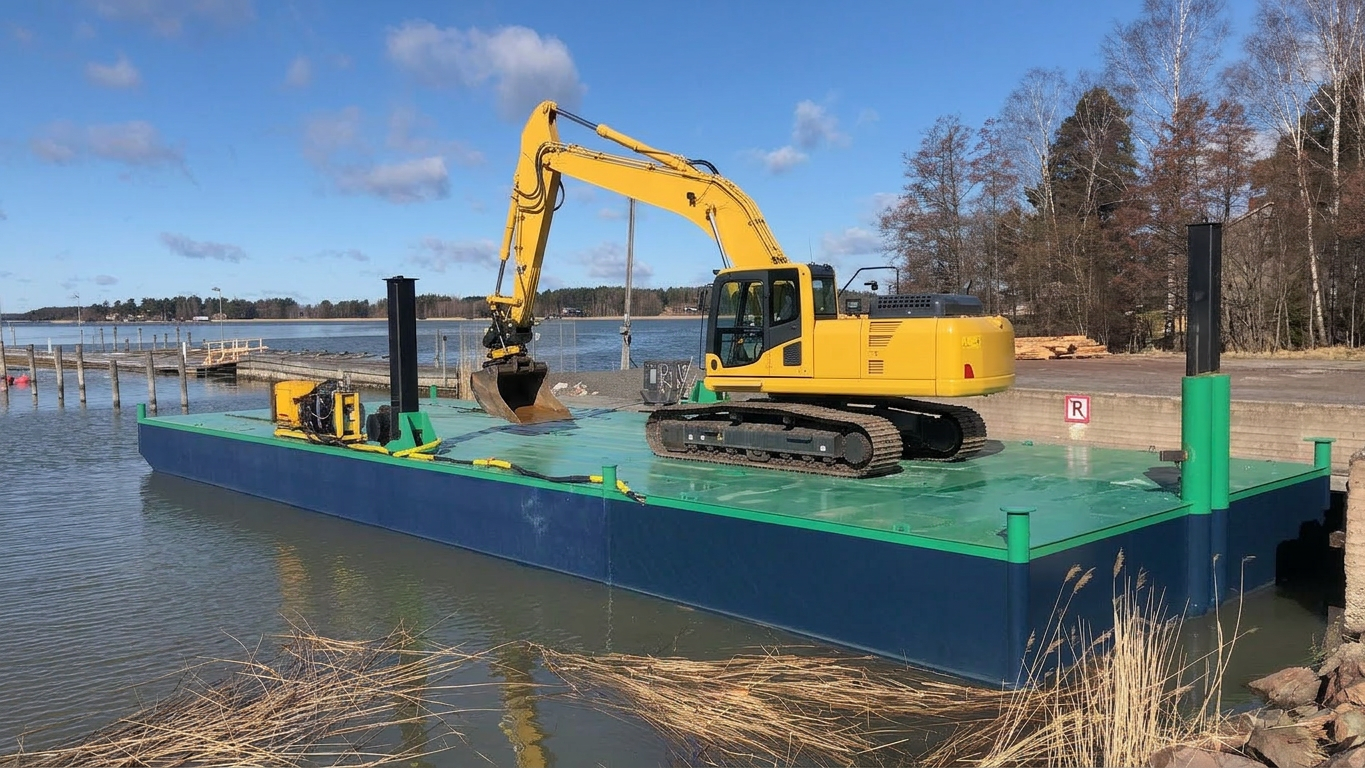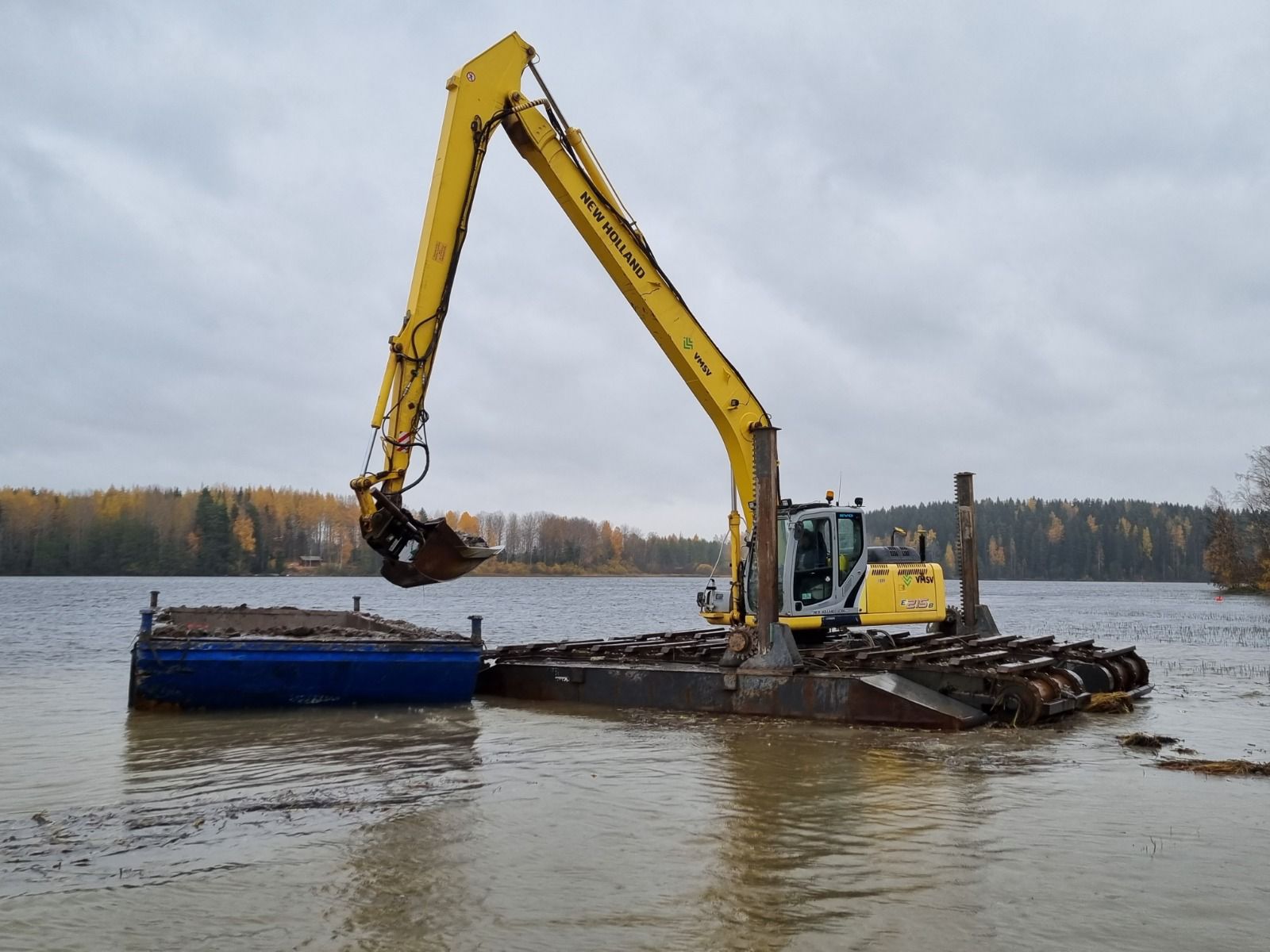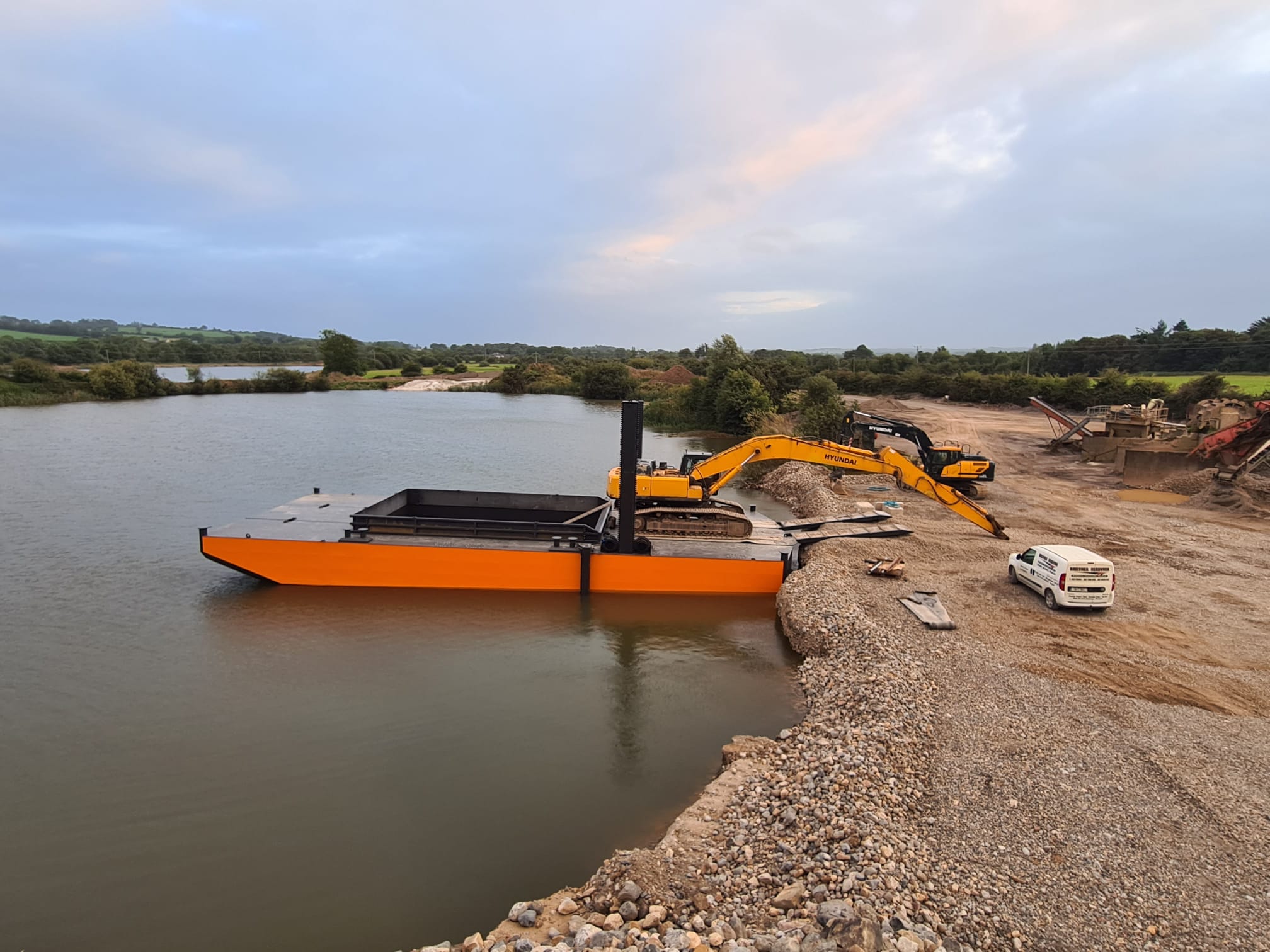
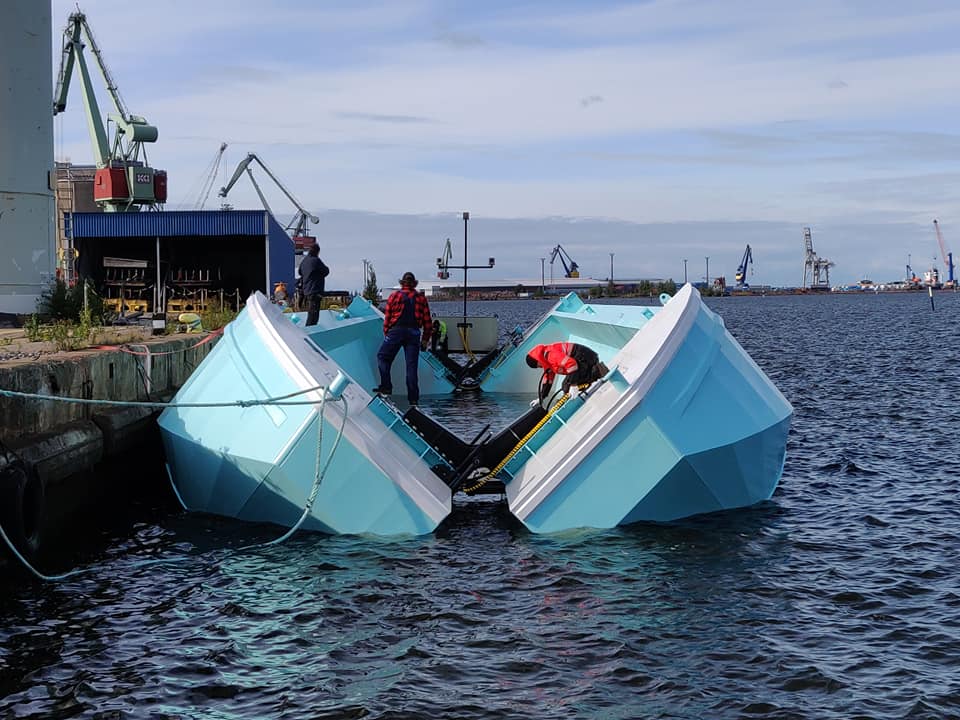

Self-dumping split hull barges used for dredging operations, sediment disposal and controlled discharge of dredged material in marine infrastructure and inland water projects.
Category Overview
Split hopper barges are self-dumping split hull barges used where dredged material must be transported and discharged in a controlled way. They are commonly specified for dredging support, sediment disposal, marine infrastructure works, coastal dumping operations, and other projects where efficient unloading of spoil or reclaimed material is part of the operational cycle.
Compared with standard bulk barges, this category is intended for projects where the barge itself must provide the discharge function. The final split hopper arrangement depends on target volume, material density, transport route, and the dredging or disposal method used on site.
Every project is reviewed individually, and the most suitable solution is not always a standard model. Platform dimensions, deck arrangement, load capacity, transport constraints, working equipment, and site conditions all affect what should be built for the job.
If you would like us to recommend the best-fit solution first, start by sharing your project requirements and we will propose the most suitable configuration. If you already know the type of platform you need, you can review the models below.
Discuss your project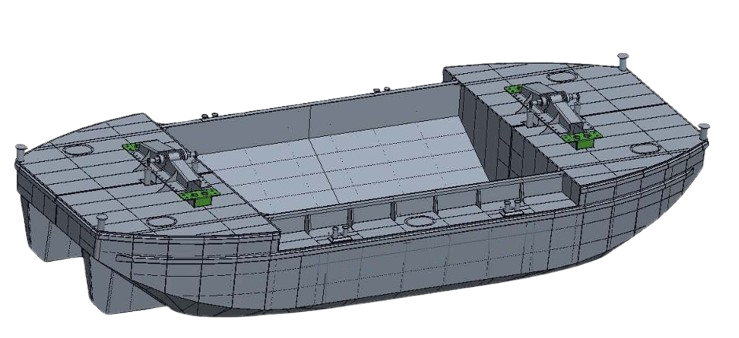
Split Hopper Barge
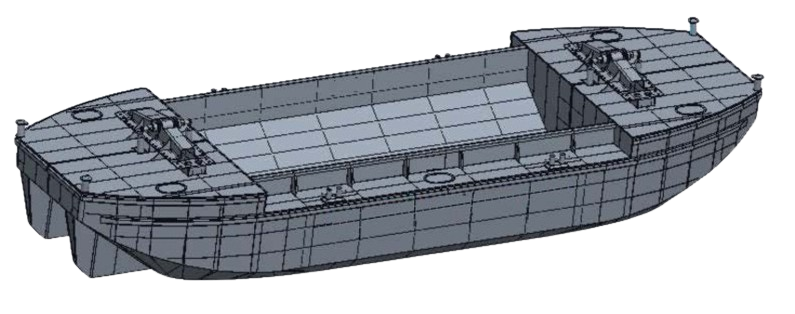
Split Hopper Barge
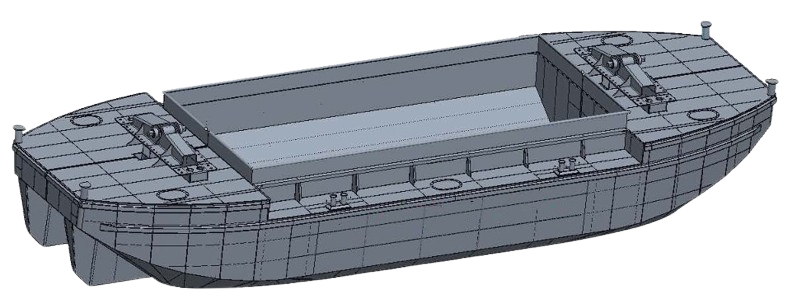
Split Hopper Barge
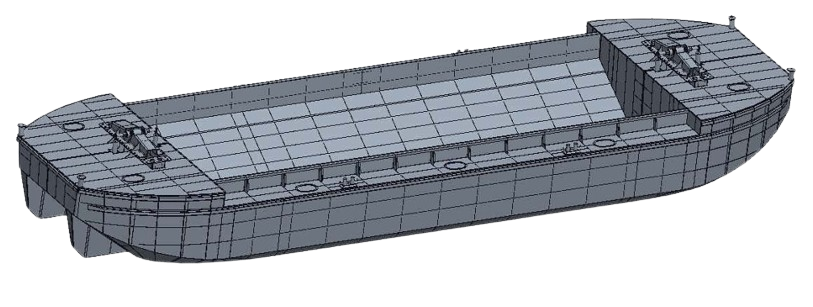
Split Hopper Barge
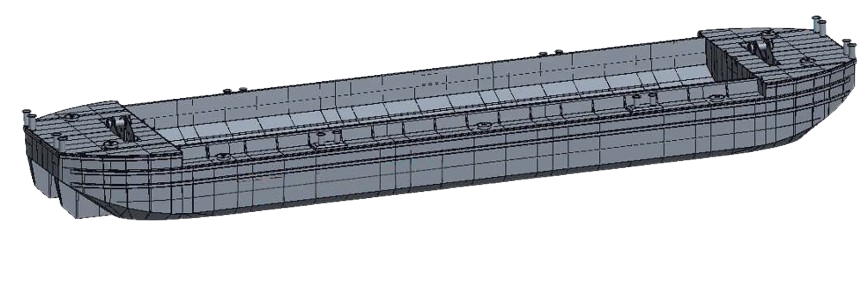
Split Hopper Barge
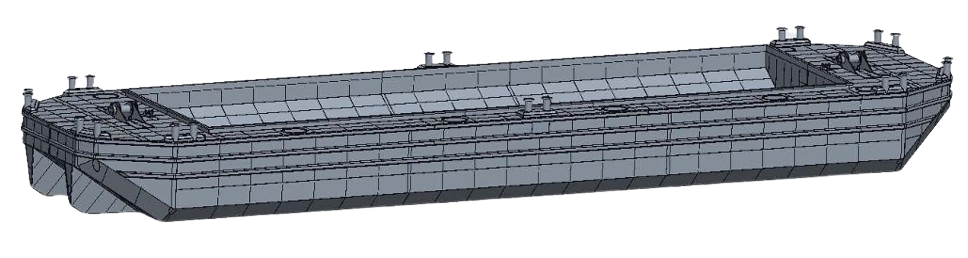
Split Hopper Barge
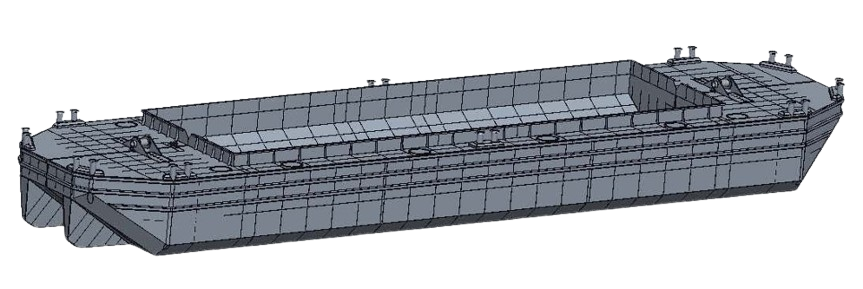
Split Hopper Barge
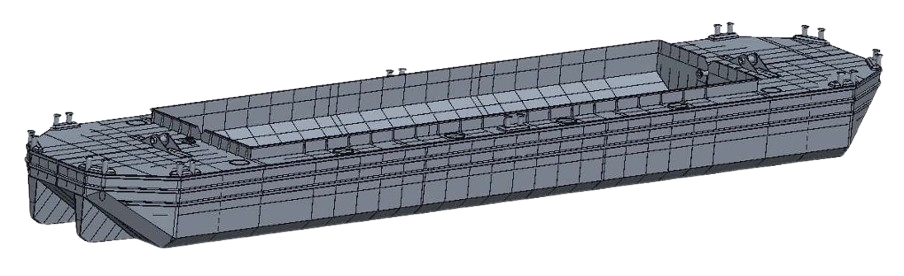
Split Hopper Barge
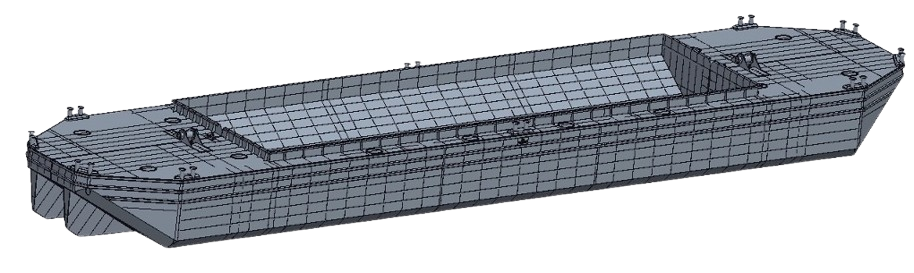
Split Hopper Barge
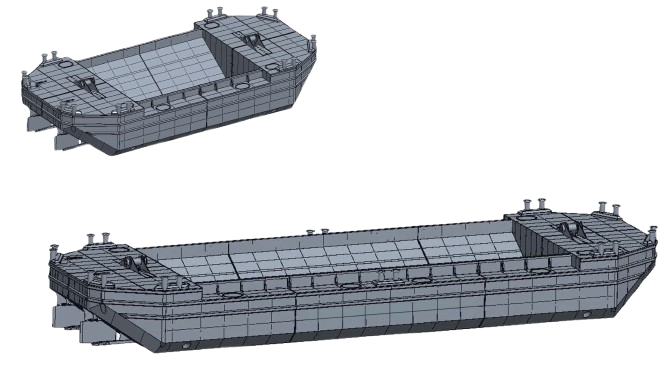
Split Hopper Barge (modular)
For projects where material does not need to be discharged by split hull, standard bulk barges can be a simpler and more suitable solution for transport and handling.
Explore Bulk Barges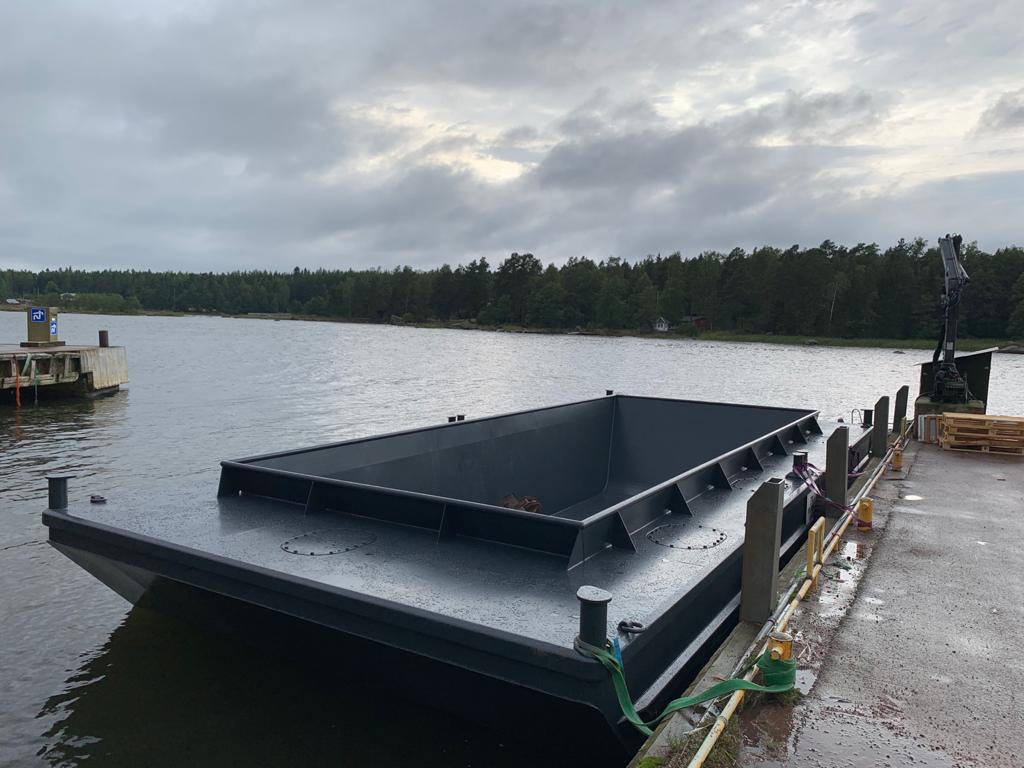
Yes. Depending on the region or industry, split hopper barges may also be referred to as split barges, split-hull barges, or self-dumping barges. All these terms describe vessels with a split hull designed for controlled discharge of dredged material.
Yes. We'll match the barge configuration to your project - hopper volume, deck space, and loading method - so it integrates smoothly with your existing dredging or transport system. Just share your operational parameters, and we'll propose the closest model and options.
Lead times depend on current production and the specific model. Some core components are already available, and we plan production to meet project schedules. When you inquire, we'll confirm an indicative delivery timeframe and coordinate to fit your deadline.
Transport depends on barge size, route, and project location. Standard units are often delivered as complete barges, but we can also develop modular split hopper arrangements where transportable sections fit standard marine containers and are assembled on site when logistics require it.
Yes. We offer ongoing support for maintenance, repairs, and spare components. Our team stays available after delivery to help with any operational questions or parts replacement, ensuring the vessel stays in service with minimal downtime.
To recommend the right split hopper barge configuration, we typically need:
• required hopper volume or target payload
• material type and density
• loading and discharge method
• dredging or disposal route
• project location and delivery constraints
Based on this, we assess capacity, hull arrangement, discharge logic, and overall operational suitability — and then propose the right split hopper solution.
Contact our marine experts to discuss your project requirements and get a detailed quote for your vessel needs.
Our engineers respond within one business day
Related models and alternative solutions: